
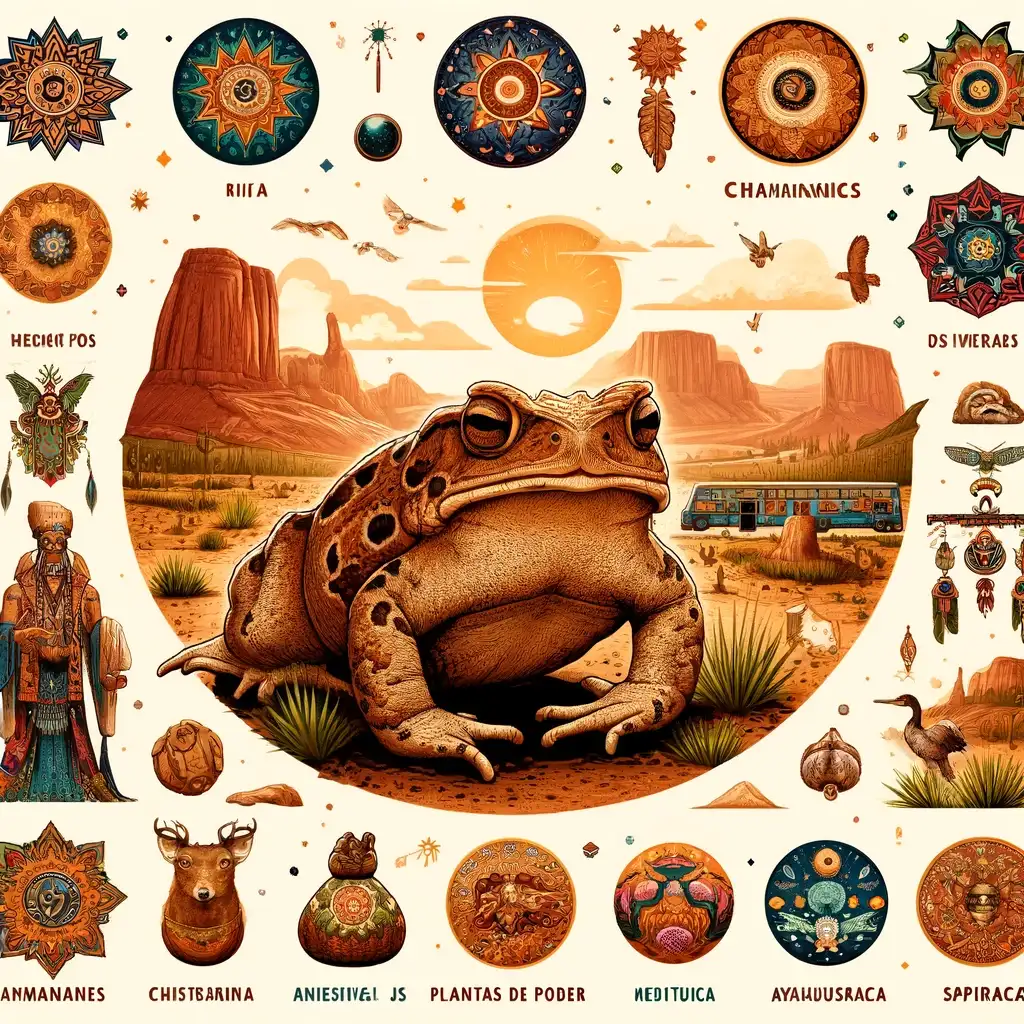
The Sonoran Desert toad has a life worth understanding beyond human interest in its secretion. Its name, habitat and relationship with water place it within an ecosystem as a wild animal with needs of its own.
Its name and geographic range
The American Museum of Natural History recognizes Incilius alvarius; Bufo alvarius is an earlier scientific name. Its range spans the southwestern United States and northwestern Mexico. The popular label “Bufo toad” is imprecise unless the species is identified.
The word desert may suggest a uniform landscape, but the species’ range includes different environments. Recognizing that variety helps prevent a tourist image from taking the place of information about the animal.
An amphibian adapted to heat
According to the National Park Service, this toad shelters from daytime heat and emerges at night to feed. Parotoid glands behind its eyes produce defensive toxins. These secretions can harm people and can be fatal to pets.
Watching from a distance allows an encounter without provoking a defensive response. Handling the animal is unnecessary for appreciating it.
Water and desert cycles
Field research described at Organ Pipe Cactus studies several toad species, including I. alvarius, in relation to rainfall, breeding sites and chytrid fungus. Living in an arid region does not remove the need for water during reproduction and tadpole development.
Conserving a species therefore requires attention to the surroundings that sustain its life cycle. The animal visible during an encounter is only one part of that relationship.
Conservation beyond interest in secretion
Interest in a substance should not reduce this toad to a raw material. Respect can begin with leaving it in its habitat, avoiding capture and declining to handle it to obtain secretions.
A population’s condition cannot be inferred from its visibility on social media or the popularity of a practice. Conservation calls for local studies and sustained attention, without confusing visibility with abundance.
Understanding the toad on its own terms
A species name, a chemical compound and a human experience answer different questions. Biology describes the animal; pharmacological studies examine substances and their effects; personal accounts express what someone experienced.
Keeping those questions clear supports more careful language and a more respectful relationship with wildlife. The Sonoran Desert toad does not need to be presented as a cure or a revelation for its existence to matter.

