
Couples and Relationships
Relationships can become difficult in different ways.
Sometimes the problem is how we communicate. At other times it involves trust, desire, a decision we do not know how to make, or the fact that only one person wants to keep trying.
Start with the path that most closely reflects what you are going through.
Five paths for exploring your relationship
- 01
Communication and conflict
When conversations stall, escalate, or return to the same place again and again.
- Why do we keep arguing about the same thing even after discussing it?
- My partner does not want to talk about our problems
- Why do so many relationship agreements change nothing?
- 02
When one partner wants change
When one person wants to change something, work on the relationship, or seek help and the other is not in the same place.
- My partner does not want to go to therapy: what can I do?
- I am the only one trying to save the relationship
- What is Your Part in a relationship?
- 03
Crisis and decisions
When staying, leaving, or redefining the relationship stops being a distant question and begins to demand a decision.
- I do not know whether to end my relationship: thinking through a decision no one can make for you
- Can my relationship be repaired?
- The relationship you have and the one you hope for
- 04
Trust and infidelity
When an agreement is broken and the question is no longer only what happened, but what to do with what remains.
- My partner was unfaithful: what do I do now?
- How to rebuild trust after infidelity
- Staying after infidelity
- 05
Intimacy, desire, and sexuality
When closeness changes, the body begins to feel distant, or the partners no longer want the same amount of sexual connection.
- We live like roommates
- We have mismatched sex drives: what can we do with that difference?
- Intimacy is not only sex
Your Part
Looking at your part does not mean carrying the whole relationship.
It means distinguishing what you do within what happens between two people, what depends on you, and where you still have the capacity to choose and act.
What is Your Part in a relationship?
Taking responsibility for your own participation does not mean taking all the responsibility. It means looking beyond what the other person should change and recovering your ability to act on what is yours.
Read article →Conversations about relationships
Some questions are better developed through conversation.
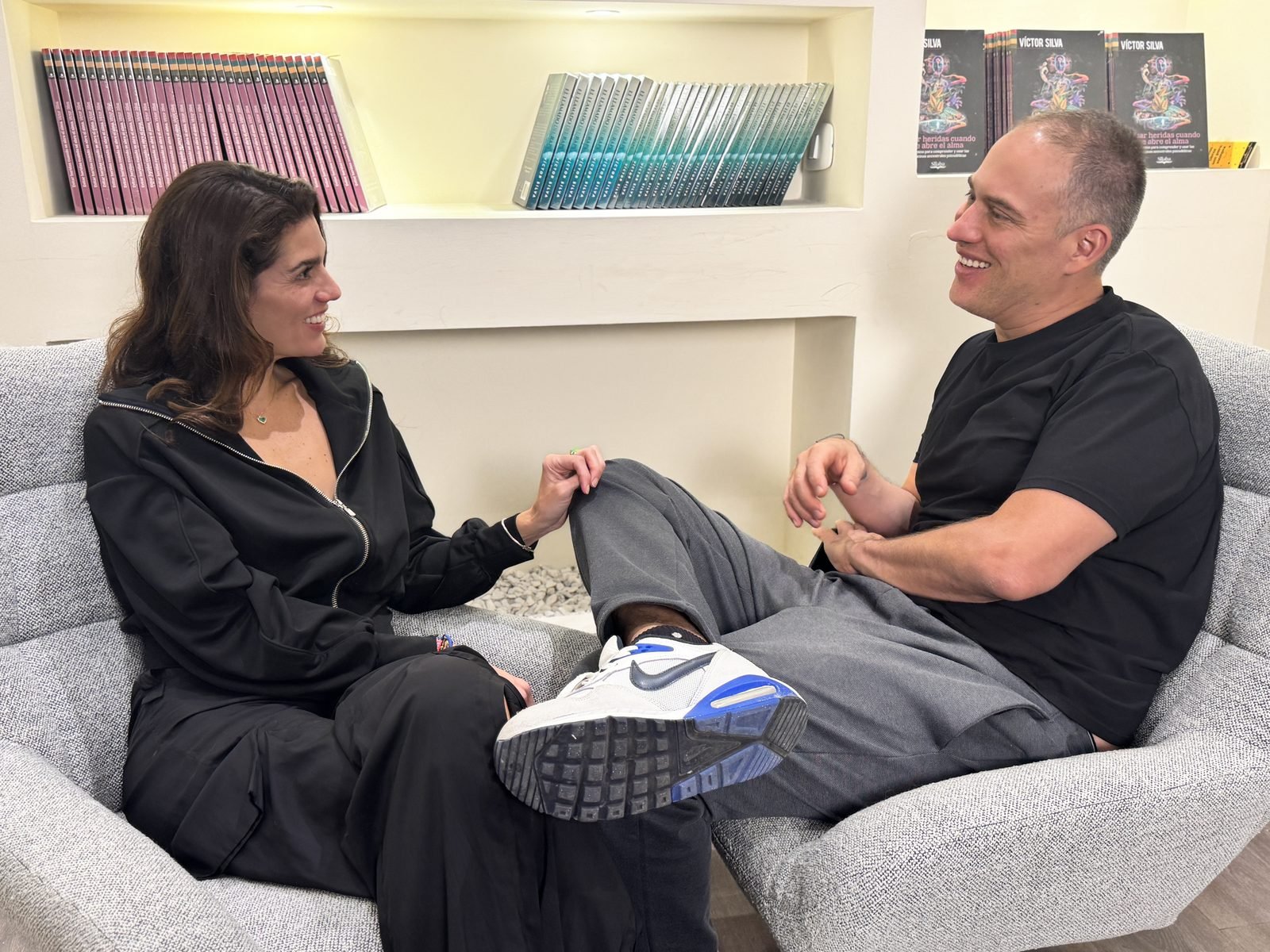
Here we bring together conversations between Marcela and Víctor about conflict, decisions, trust, desire, and the different ways we participate in a relationship.


If you are considering couples therapy
People do not always come to therapy knowing exactly what they want to do with the relationship.
These questions may help you understand what the process can offer, when it may make sense to begin, and what happens at the start.

