
Ayahuasca is discussed as a spiritual experience, a subject of medical research and a source of personal insight. Understanding these different descriptions begins with a basic question: what kind of claim is being made? Feeling changed by an experience and demonstrating that a treatment works require different kinds of evidence.
What is ayahuasca?
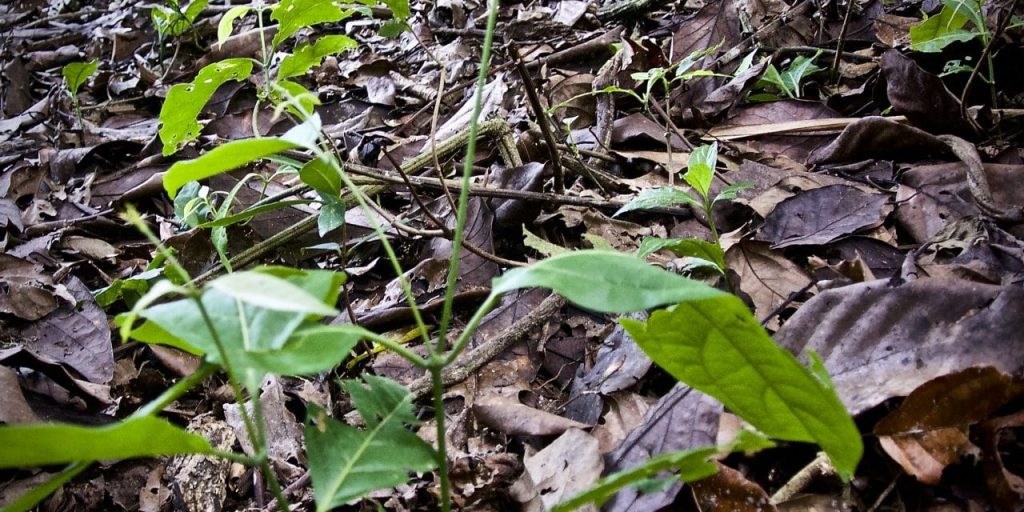
Ayahuasca is a psychoactive brew associated with Amazonian traditions. A common combination includes Banisteriopsis caapi and Psychotria viridis. Pharmacological research by Riba and colleagues describes interactions between monoamine oxidase-inhibiting alkaloids and DMT. Understanding those effects does not, by itself, establish therapeutic benefit.
Depression: a preliminary finding in a small trial
A randomized trial by Palhano-Fontes and colleagues analyzed 29 people with treatment-resistant depression: 14 received ayahuasca and 15 placebo. Depression symptoms decreased more in the ayahuasca group, with follow-up assessments extending to seven days.
The trial took place in a hospital with participant screening and clinical supervision. Its size and short follow-up cannot establish a lasting cure or justify extending the results to every person, preparation or ceremony. Maintaining blinding is also a challenge when a substance has noticeable effects.
Substance use: changes do not establish their cause
An observational study by Thomas and colleagues, published in 2013, followed 12 participants for six months after an intervention combining group support and ceremonies. Self-reported cocaine use decreased, but there was no comparison group and the study could not separate the intervention’s different components.
In a 2024 feasibility study involving 11 college students with harmful alcohol consumption, the observed reduction in drinking days did not remain statistically significant after correction for multiple comparisons. These findings do not support promising that ayahuasca will overcome addiction.
Anxiety: the outcome being measured matters
A 2021 randomized pilot involving 17 people with social anxiety disorder found improved self-perception during a public-speaking test. This was not accompanied by a significant reduction in task-related anxiety. It should not be described as evidence of relief from every anxiety disorder.
The studies discussed here also do not justify extending their findings to psychosis, post-traumatic stress disorder or anxiety associated with terminal illness. Research on another substance or diagnosis cannot fill those gaps.
What does a “rope to the spirits” express?
Descriptions such as a rope linking us to guiding spirits offer a spiritual interpretation. Someone may find an experience deeply meaningful without that establishing a medical mechanism or confirming every vision as an external fact. Listening to an account also means asking what changed afterward, for how long and alongside what other support.
Risks belong in the same discussion
Cleveland Clinic’s information on ayahuasca identifies effects including nausea, vomiting, anxiety and increased blood pressure, as well as medication interactions. Some combinations that increase serotonin can be serious. Having a guide does not guarantee safety. Do not stop prescribed medication on your own to take ayahuasca.
This selection of studies explains an area of ongoing research; it does not recommend ayahuasca as treatment. If you are seeking help for depression, anxiety or substance use, speak with a qualified healthcare professional about appropriate options.

